
Experience Over Explanation.
When storytelling becomes an experience, audiences don't just watch: they understand, feel, and act.
Polio's Last Mile has reached more than 20,000 people at 50-plus events worldwide. At Rotary's 2026 International Convention in Taipei, Taiwan, 1,500 of them stepped inside the virtual reality experience created by REM5 STUDIOS that follows the fight to end polio on the front lines in Zambia, bringing the global effort closer to the people who fund, champion, and sustain it. Built for Meta Quest 3 and delivered in multiple languages, the experience pairs high-resolution immersive video with interactive moments guests control using only their hands. This report reflects the findings of an anonymous post-experience survey.
About the experience: Polio's Last MileParticipants
Experience
Countries
Responses
VR closed the gap between a trade show floor and the front lines.
felt fully present in the story
Presence turns watching into connection, and connection into change.
How present people felt
Q: “How much did you feel like you were there?”
What the experience made clear
Q: “What did the experience help you understand most clearly?”

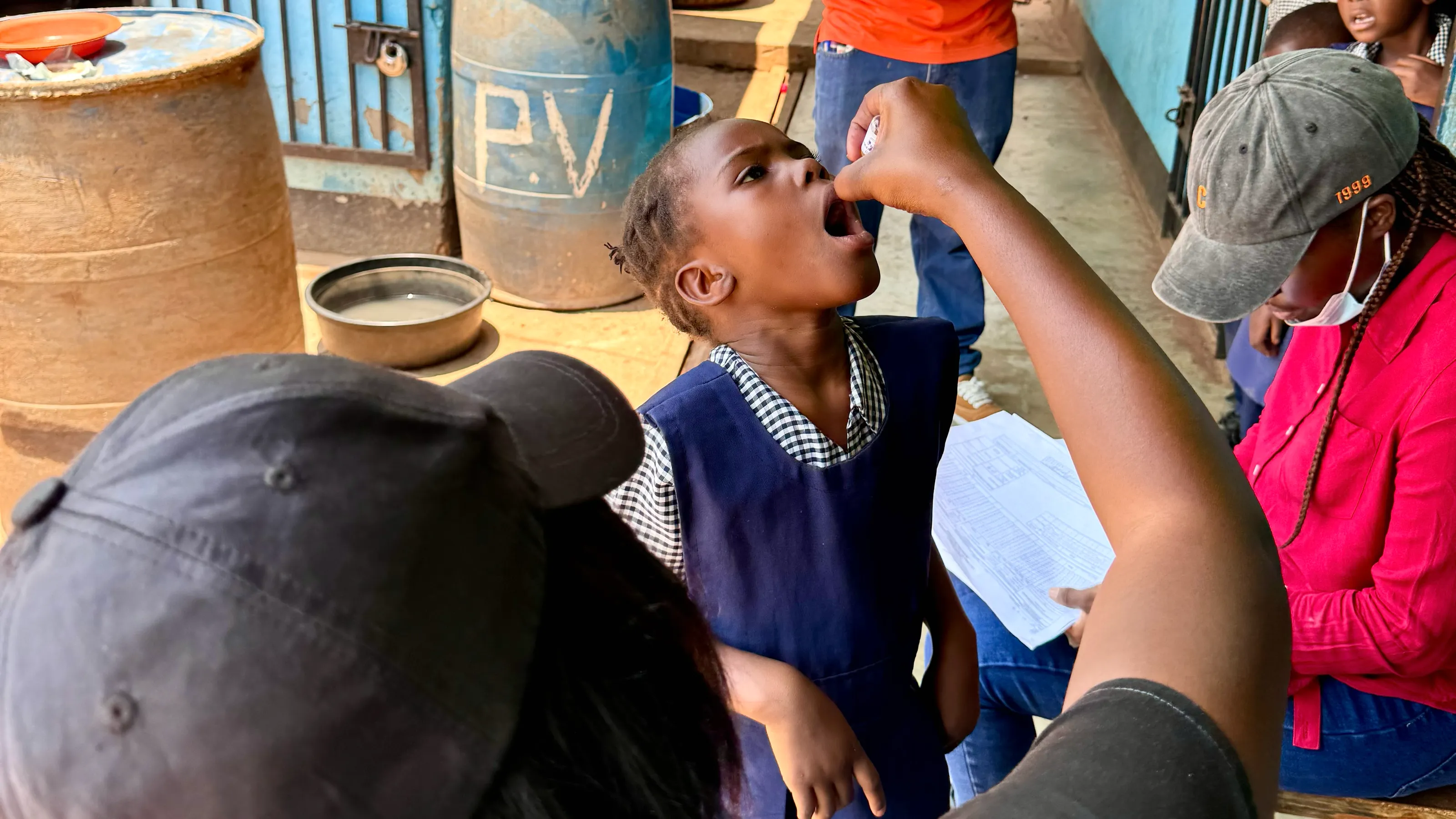
The children jumping and chanting. The face to face with the man, the service provider and the mom. It felt like they were talking directly to me.
Feeling like you're there beats hearing about it a hundred times.
9 out of 10
said VR was more effective than how they'd previously learned about polio.
Q: “Compared with other ways you've learned about polio, how effective was this experience?”
The closest to the work scored it highest
of the people already working on polio eradication said it beat how they'd learned before. Higher than the room overall.
Confidence in understanding ran extremely high
Q: “How confident do you feel explaining what you saw to someone else?”
Much more confident
Somewhat more confident
About the same
Less confident
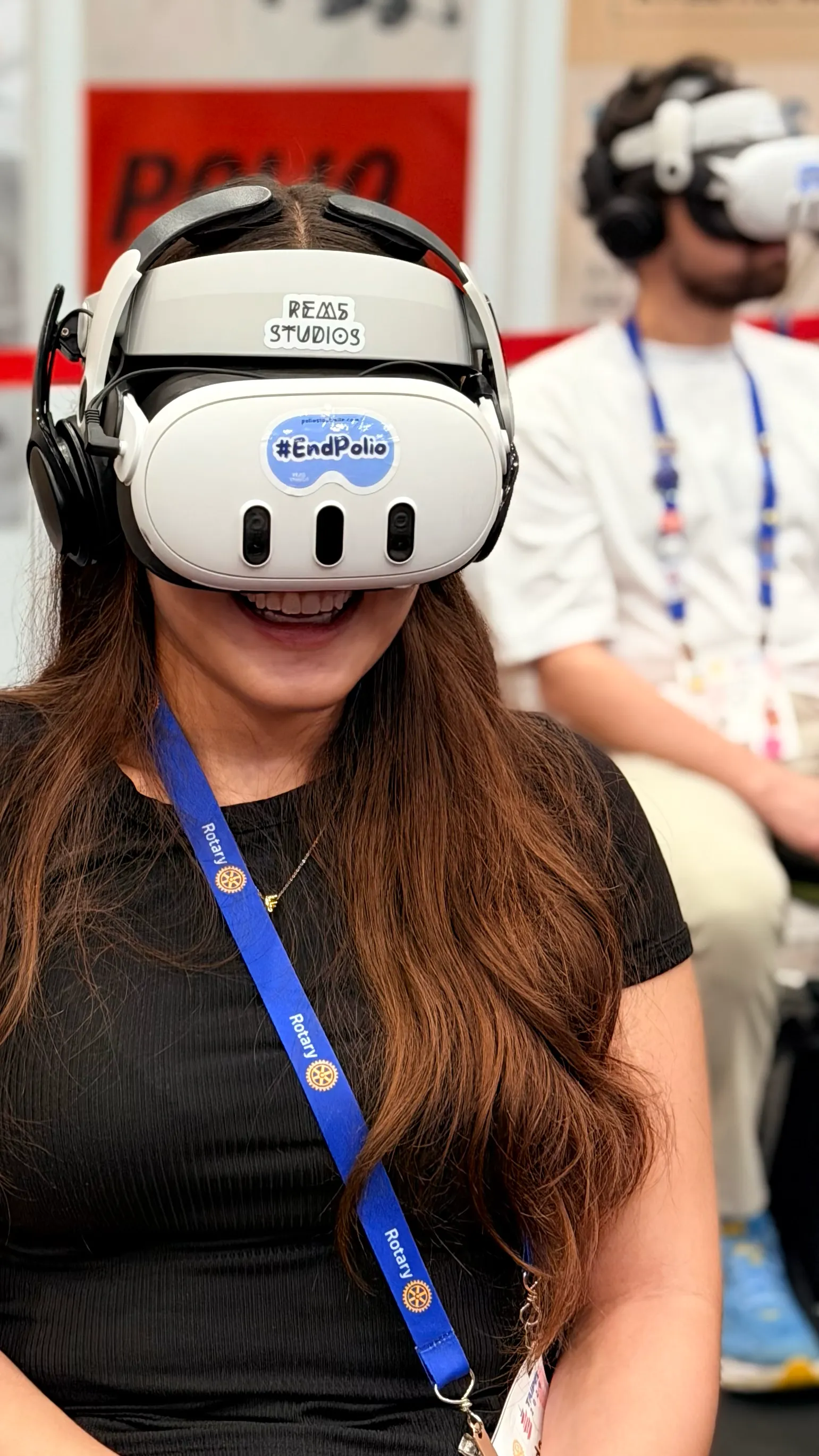

Seeing the kids happy and looking at me makes me really identify with them.
Connection translated into commitment.
From feeling it to acting on it.
Q: “Which actions are you most likely to take after this experience?”
The detail: every action people chose
Each person could pick up to two actions.
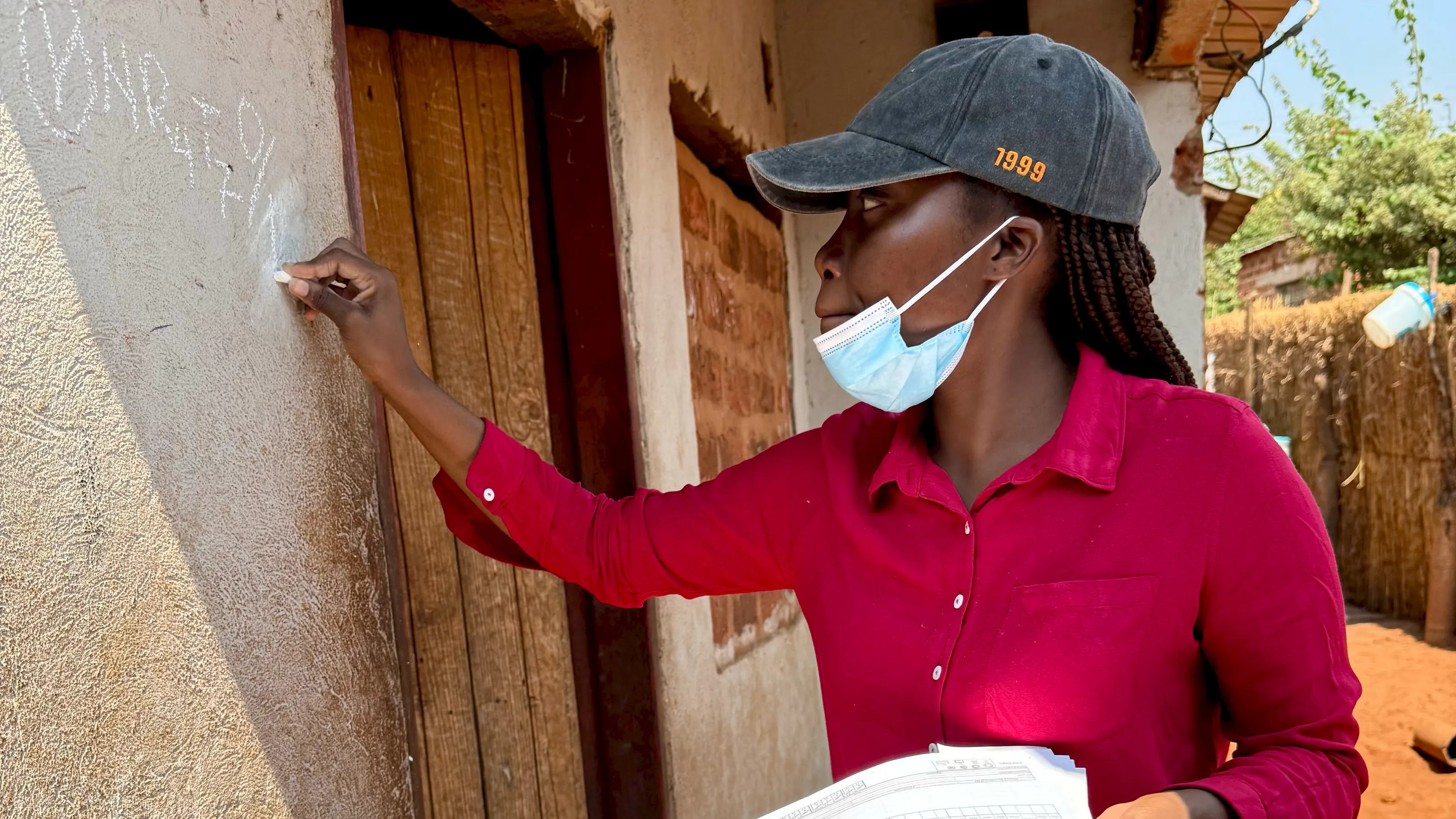
left with their commitment to ending polio strengthened or re-energized.
Q: “How did the experience affect your commitment to ending polio?”
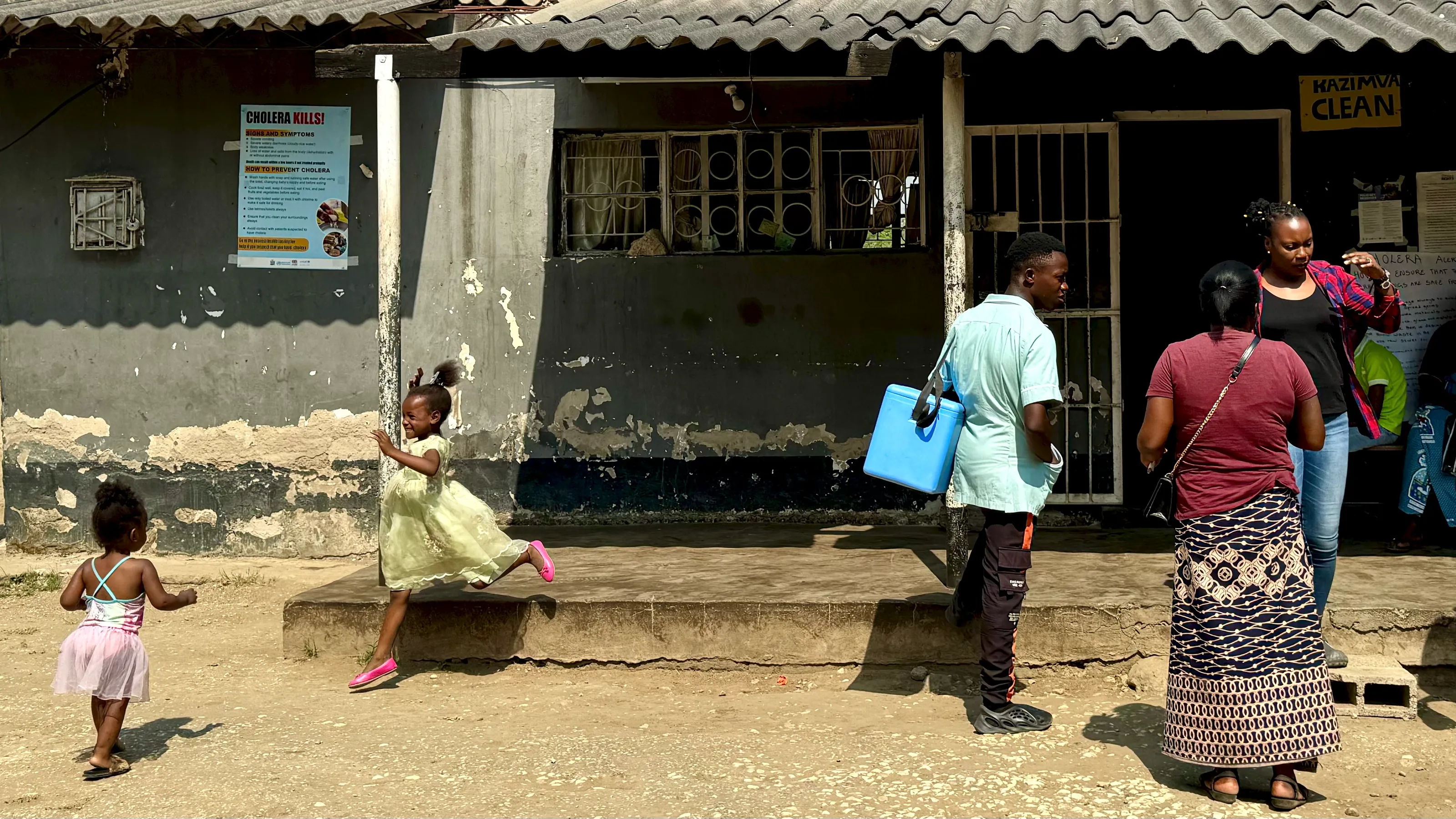
VR is ready to scale. Anywhere, with any audience.
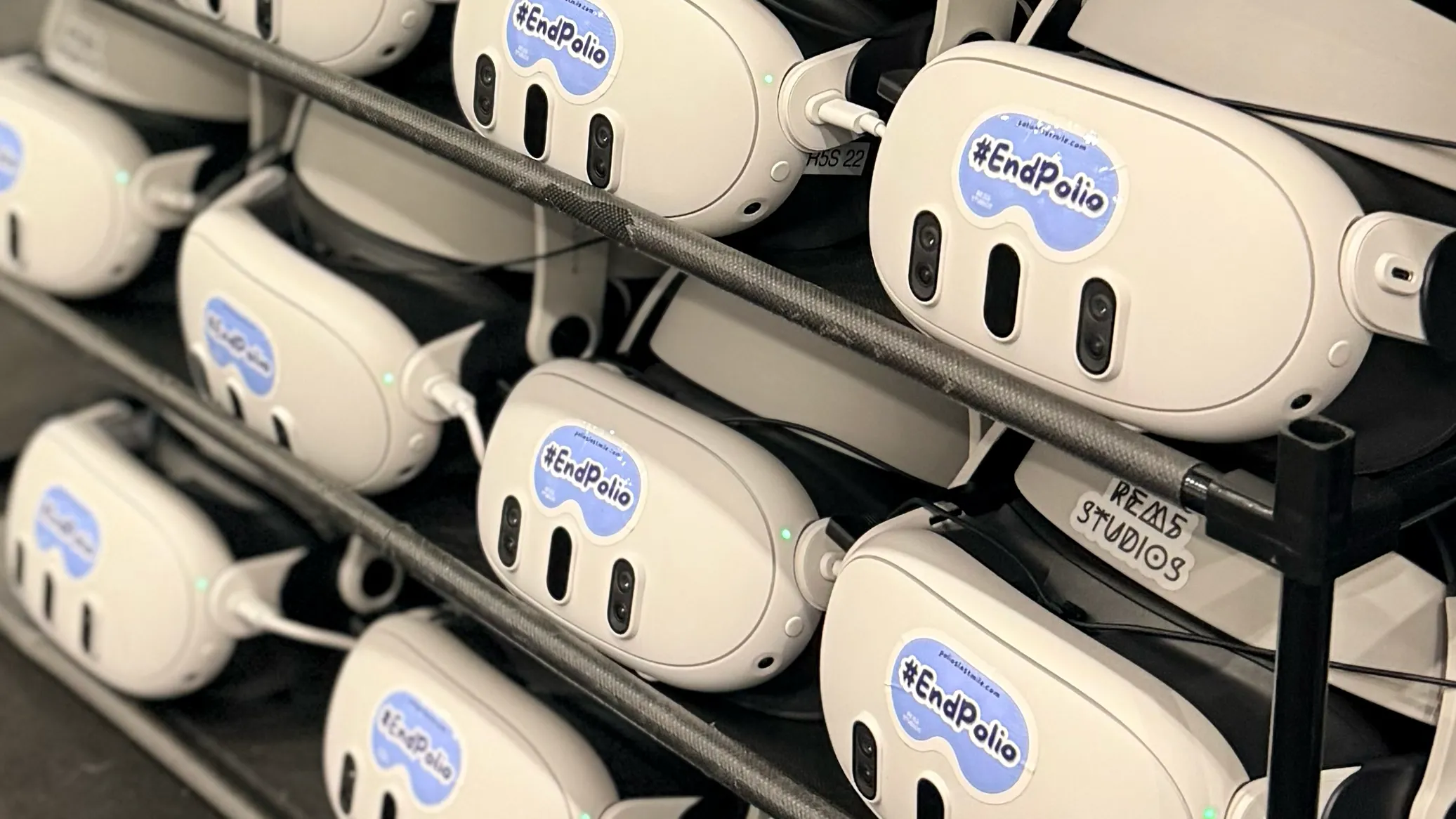
The activation worked because every detail was designed for scale. The hardware was built for real crowds: headsets outfitted for comfort and cleanliness, with hands-on in-person onboarding. The software was built for everyone: multilingual delivery, intuitive hand tracking, and accessibility.
found it easy to use
Q: “How easy was the VR headset to use?”
said nothing reduced the impact
Q: “What, if anything, most reduced the impact of the experience?”
Most common notes: audio, visuals, or clarity 11%, headset comfort 7%, length or pacing 1%, overwhelming emotional intensity 1%.
Who was in the room
Experience with VR
Age range
Attendees from 30 countries around the world
A communications tool of the future, for today
Immersive storytelling no longer requires a specialized venue or technical audience. It can travel to the event, conference, boardroom, or classroom. Anywhere people need to feel a story before they act on it.

This is such a great experience that made me feel I was there with the frontline team. People who cannot go there should have more chance to experience this VR.
The bottom line
Beyond novelty, VR delivered attention, understanding, emotional connection, and intent to act.
REM5 STUDIOS designed, produced, and ran this experience end to end.
We've done the same for
We build immersive experiences for stories people need to understand, remember, and act on.
More stories from the field: seefeelchange.comThis VR experience and activation were made possible by the Gates Foundation and Rotary International.